Find the visual for the conversation you need to lead.
Search all 157 DevNavigator articles and infographics by keyword, category, or tag.
9 visualsPage 1 of 1
AI & Data Science · Sep 16, 2026
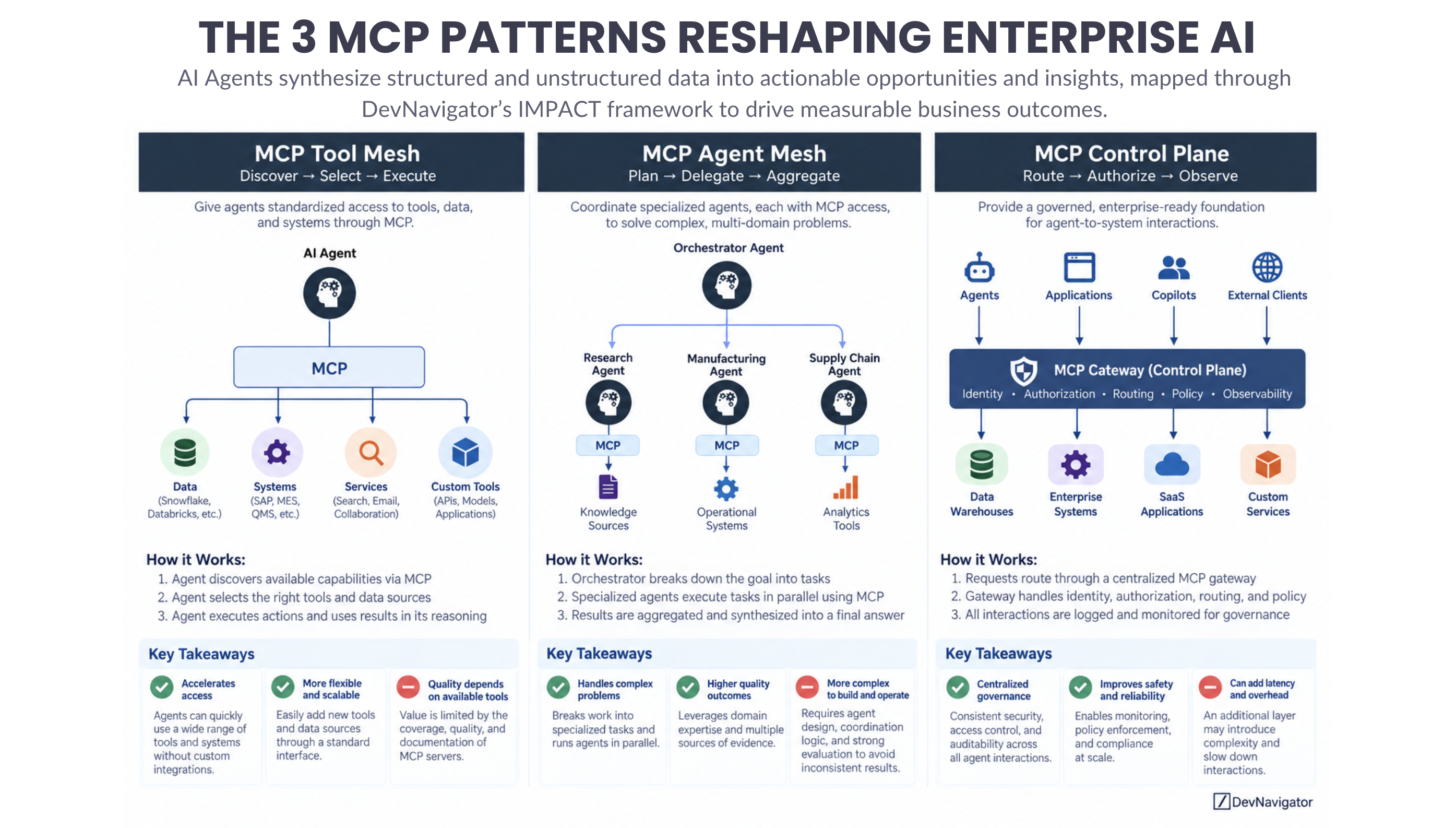
The 3 Powerful MCP Patterns Reshaping Enterprise AI: From Tool Access to Governed Agent Networks
The Model Context Protocol (MCP) is quickly moving beyond its original role as a standardized way for AI applications to connect with external tools and data. The latest MCP specification makes the protocol stateless, cacheable, routable through standard HTTP infrastructure, and better suited for enterprise authorization, while the project’s latest roadmap explicitly prioritizes agent identity and enterprise-ready security.
For leaders, the more important development is what organizations are beginning to build around MCP. As MCP patterns become infrastructure for agentic systems, three useful architectural patterns are emerging: Tool Mesh, Agent Mesh, and Control Plane. These are not official MCP protocol classifications. They are practical architectural MCP patterns for understanding how MCP can create value at increasing levels of complexity.
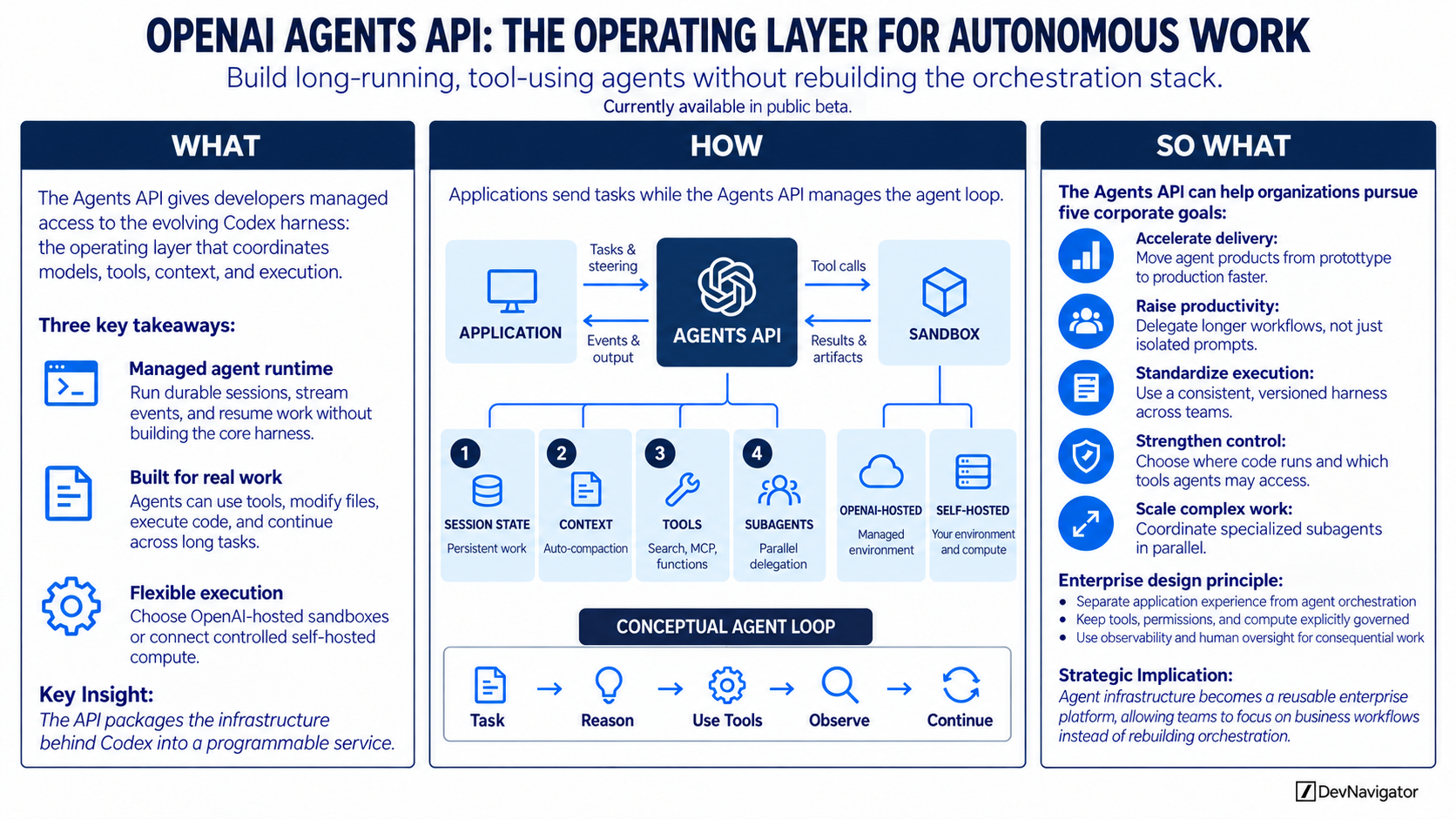
OpenAI Agents API: 8 Powerful Takeaways on the Operating Layer for Autonomous Work
The Agents API gives developers managed access to the Codex harness as a programmable foundation for durable, tool-using agents. It brings together session management, context compaction, sandboxed execution, tools, recovery, observability, and parallel subagents while leaving the application in control of the user experience and operating boundaries. The timing matters because agent development is shifting from isolated demonstrations toward systems expected to complete longer workflows across real business environments. For leaders, the opportunity is a reusable execution layer that can reduce duplicated engineering and accelerate deployment. Capturing that value still requires disciplined use-case selection, trusted data, evaluation, security controls, human oversight, and accountable ownership.
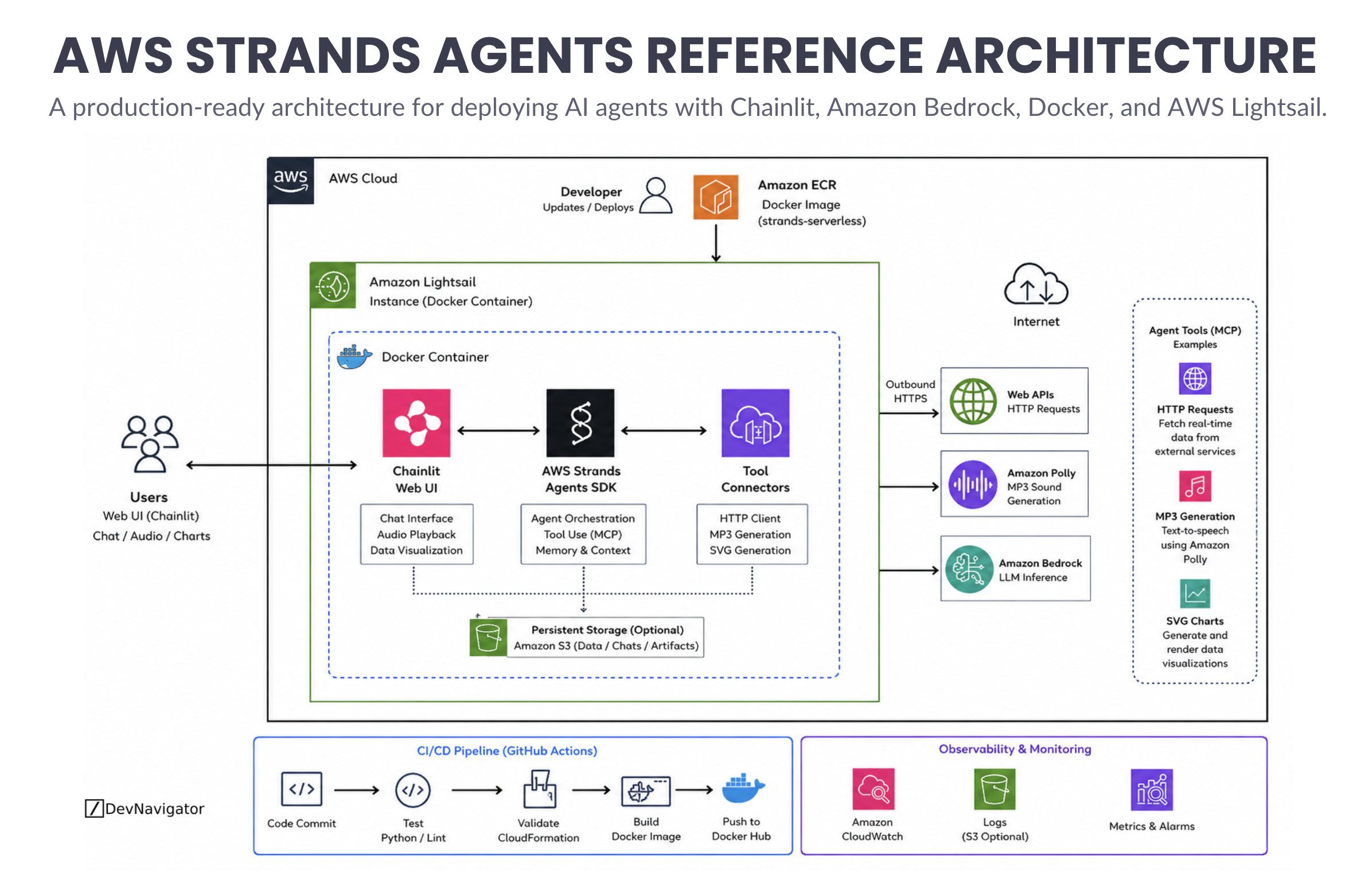
AWS Strands Agents: 7 Critical Components of a Production AI Agent Architecture
As AI agents move from prototypes into production, the focus shifts from prompt engineering to architecture. A production deployment requires more than a language model. It needs a user interface, orchestration, tool integration, deployment automation, monitoring, and secure cloud infrastructure.
This AWS Strands Agents reference architecture demonstrates how these components work together in a lightweight deployment. Running inside a Docker container on Amazon Lightsail, the solution combines the AWS Strands Agents SDK with Chainlit for the user interface, Amazon Bedrock for foundation models, Amazon Polly for speech generation, and external tools accessed through secure APIs. The result is a practical blueprint for building intelligent applications that can reason, call tools, and deliver rich user experiences.
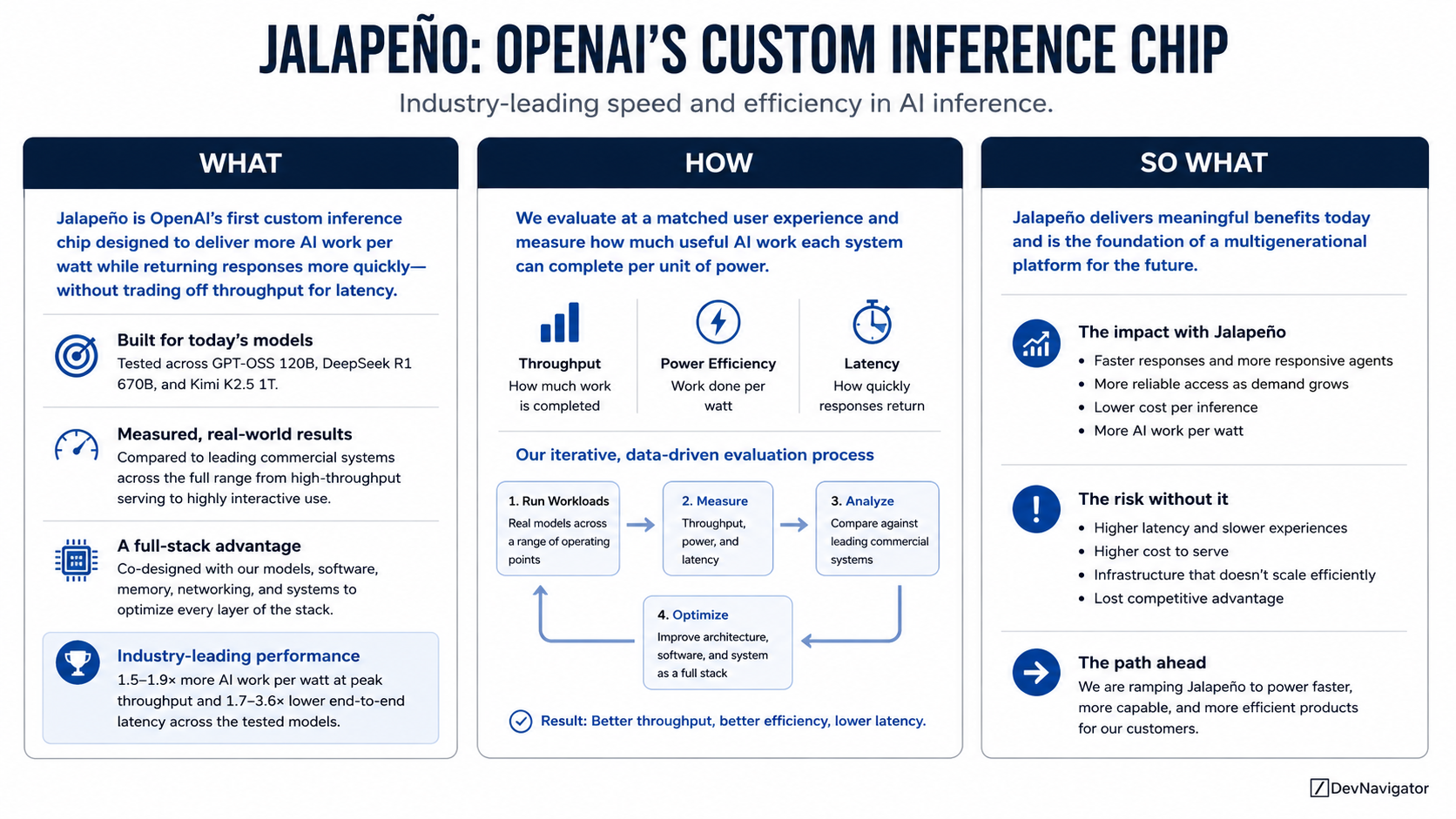
OpenAI Jalapeño: Why Custom AI Chips Could Effectively Reshape AI Inference
AI progress is increasingly becoming an infrastructure problem as much as a model problem. OpenAI’s new Jalapeño inference chip demonstrates what happens when models, software, networking, memory, and silicon are designed as one system. Early results show substantial improvements in latency and performance per watt across multiple large language models. More importantly, Jalapeño signals a broader shift in AI: competitive advantage may increasingly come from optimizing the entire AI stack rather than improving models in isolation.
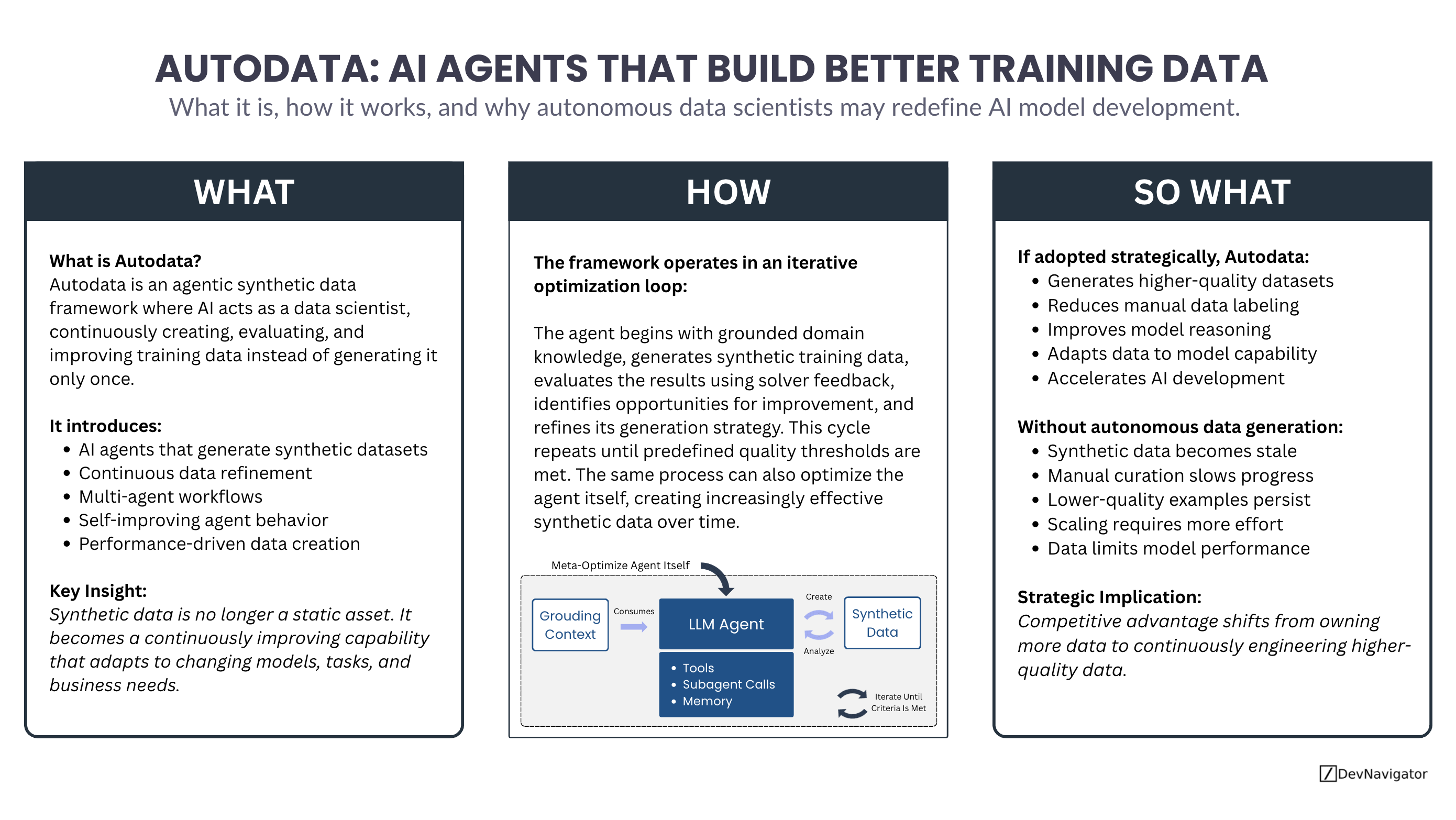
Autodata: 5 Powerful Ways AI Agents Are Revolutionizing Synthetic Data Generation
Autodata introduces a new way to think about synthetic data generation. Instead of relying on one-time prompts or manually curated datasets, it treats data creation as an ongoing optimization process. An AI agent takes on the role of a data scientist by generating training data, evaluating its quality, learning from feedback, and refining future datasets through continuous iteration. The result is higher-quality synthetic data that is better aligned with the capabilities of the models it is designed to train. As AI systems continue to improve, approaches like Autodata may become an important way to convert additional inference compute into stronger training data rather than simply building larger models.
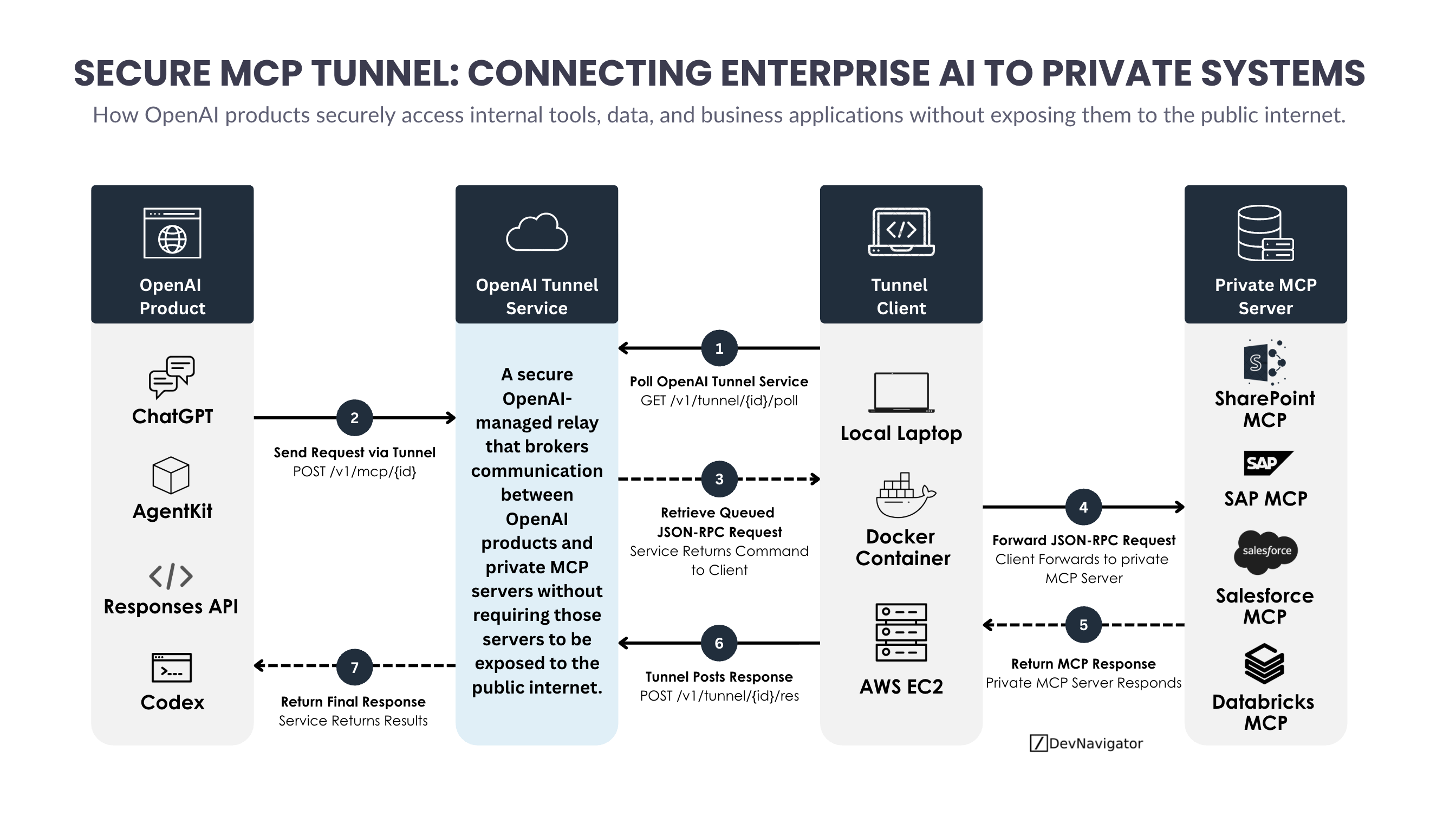
Secure MCP Tunnel: The 7 Steps to Connect Enterprise AI Safely to Private Systems
Secure MCP Tunnel is one of the most important developments for enterprise AI adoption. While organizations are eager to connect AI systems to internal data sources, business applications, and operational systems, security teams are often reluctant to expose those resources to the public internet. Secure MCP Tunnel addresses this challenge by enabling OpenAI products such as ChatGPT, AgentKit, Codex, and the Responses API to communicate with private systems through an outbound-only connection.
Rather than opening inbound firewall ports or publishing internal APIs, organizations deploy a lightweight tunnel client within their network. This client retrieves requests from OpenAI, forwards them to approved internal MCP servers, and returns responses through the same secure channel. The result is a practical architecture that balances AI accessibility with enterprise security requirements.
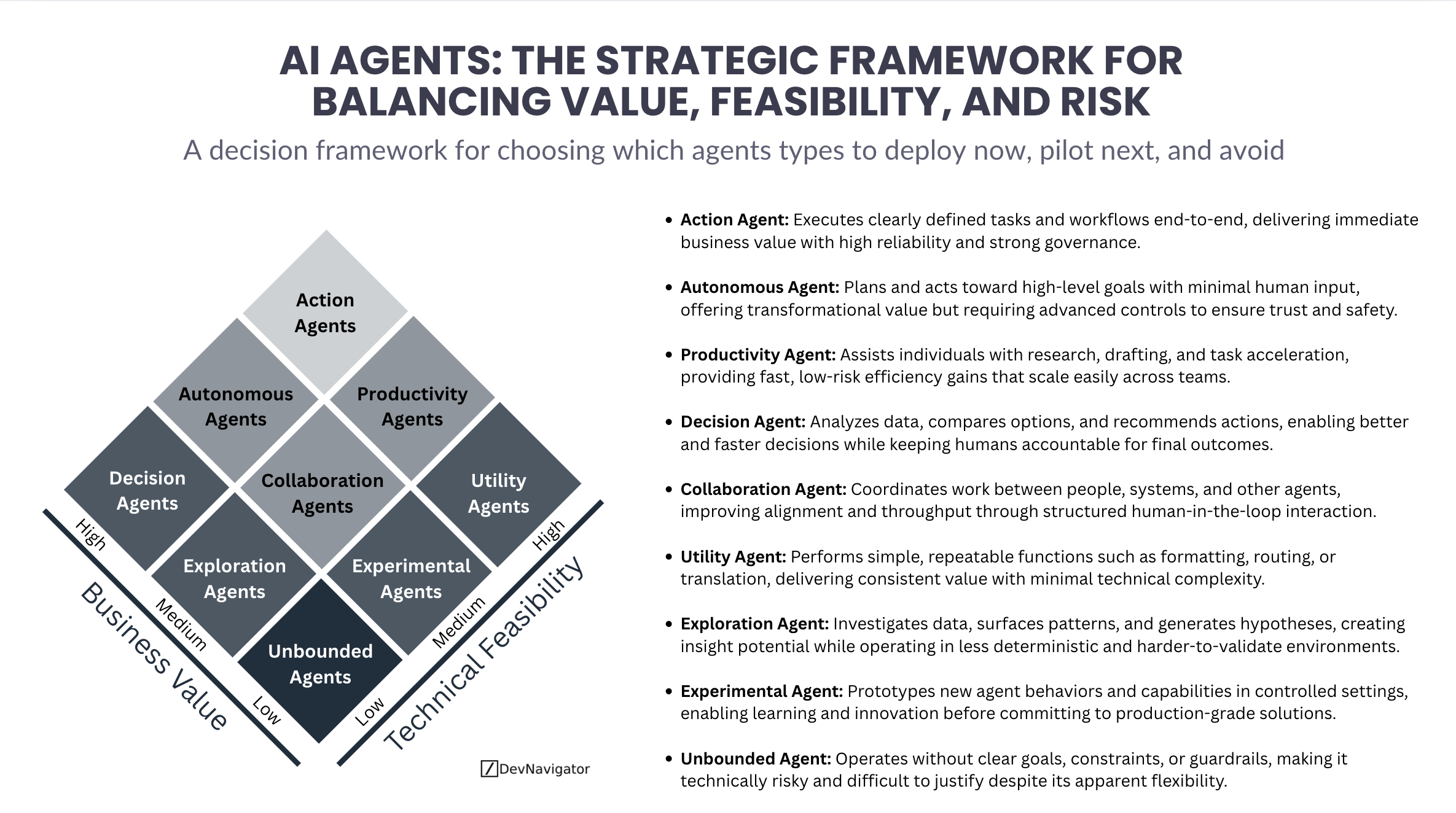
AI Agents: The 3×3 Strategic Framework for Effectively Balancing Value, and Feasibility
AI Agents are moving quickly from experimentation to real operational impact, yet many organizations struggle to decide which agent types are worth investing in and which introduce unnecessary risk. Not all AI Agents are created equal. Some deliver immediate, governed value, while others promise transformation but require significant maturity to deploy responsibly. This article introduces a practical framework for evaluating AI Agents based on business value and technical feasibility, helping leaders prioritize investments, sequence adoption, and avoid common pitfalls as agentic systems become more prevalent across the enterprise.
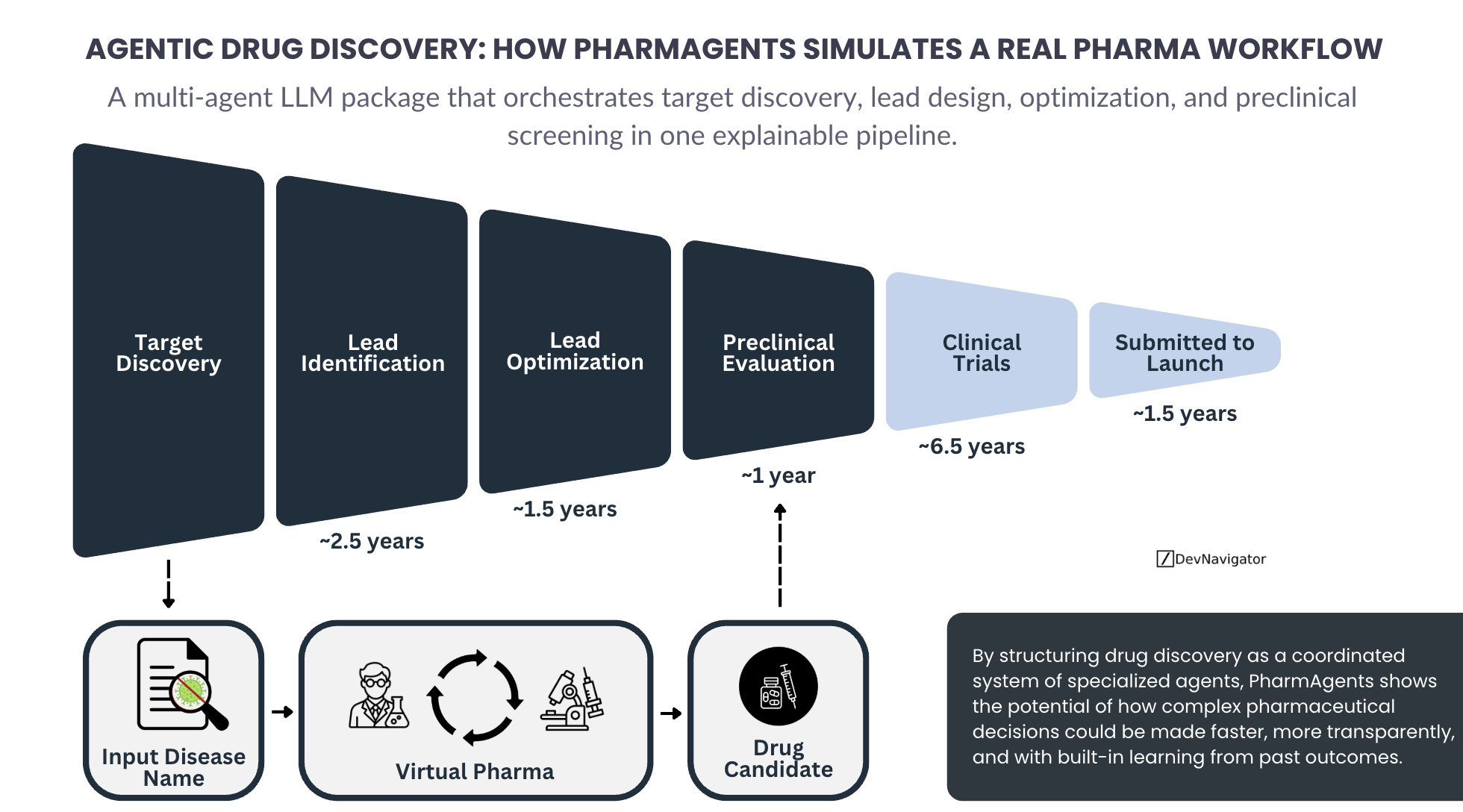
Agentic Drug Discovery: 4 Powerful Ways PharmAgents Reframes the Real Pharma Workflow
Agentic Drug Discovery is emerging as a practical framework for structuring complex pharmaceutical work using coordinated AI agents rather than isolated models. PharmAgents, a multi-agent system built around large language models and domain-specific tools, demonstrates how early-stage drug discovery can be organized, explained, and iterated in a way that mirrors how real pharmaceutical teams operate. Instead of replacing scientists, the system decomposes discovery into clear roles, workflows, and decision points, enabling faster iteration, stronger interpretability, and learning from past outcomes. This article explains how Agentic Drug Discovery works in practice, what PharmAgents actually delivers, and why this approach matters for the future of AI-driven pharma research.
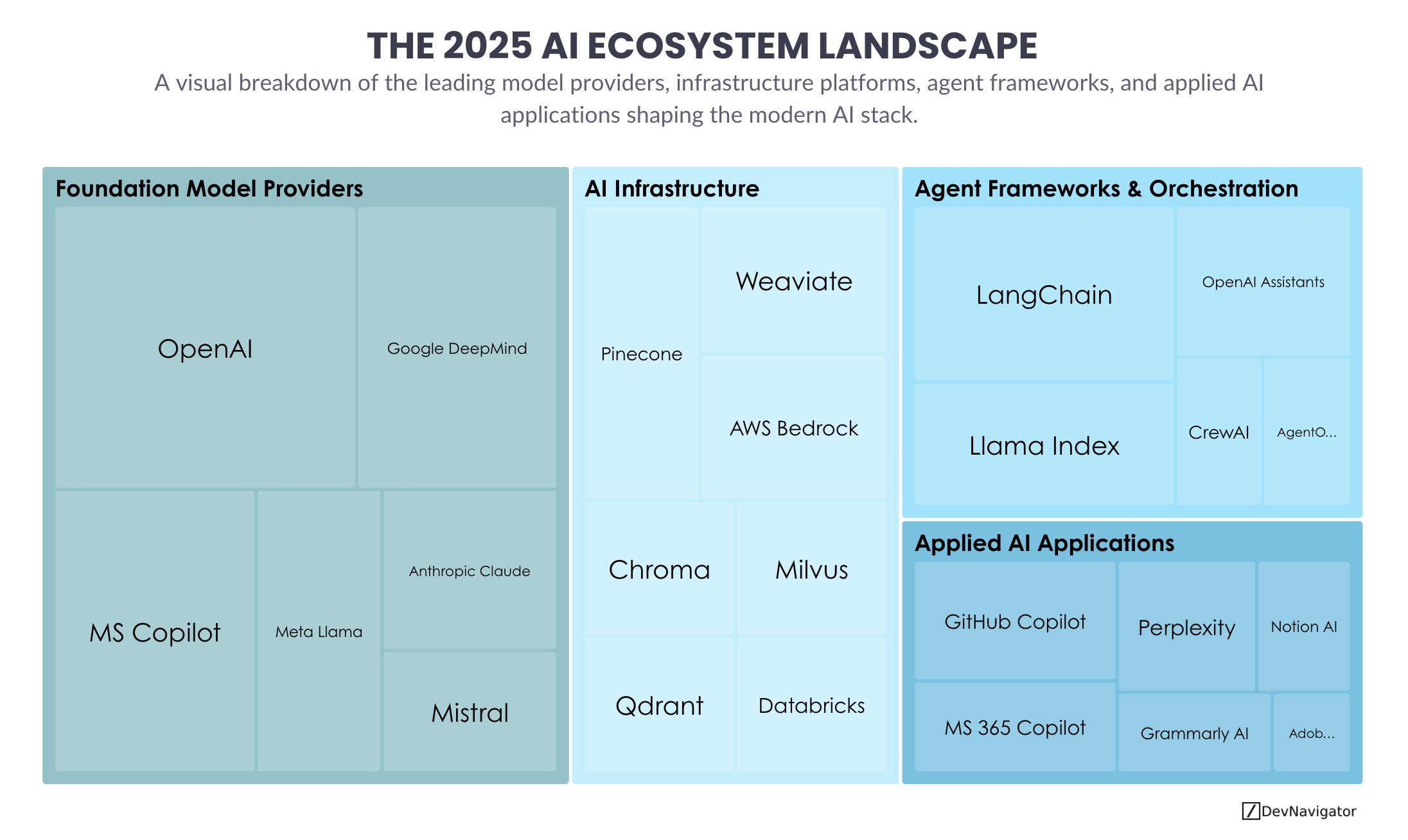
The AI ecosystem in 2025 has evolved into a layered, highly interconnected stack, specifically one where foundation models, infrastructure platforms, agent frameworks, and applied AI products each play a distinct role in delivering intelligent systems. This infographic breaks down the modern AI landscape into four major categories, showing how the industry’s most influential players fit […]

 AI & Data Science · Sep 16, 2026
 AI & Data Science · Sep 14, 2026
 AI & Data Science · Aug 28, 2026
 AI & Data Science · Aug 26, 2026
 AI & Data Science · Jul 22, 2026
 AI & Data Science · Jun 3, 2026
 AI & Data Science · Jan 4, 2026
 AI & Data Science · Jan 3, 2026
 Business Applications · Nov 22, 2025