Find the visual for the conversation you need to lead.
Search all 157 DevNavigator articles and infographics by keyword, category, or tag.
4 visualsPage 1 of 1
Strategy & Governance · May 14, 2026
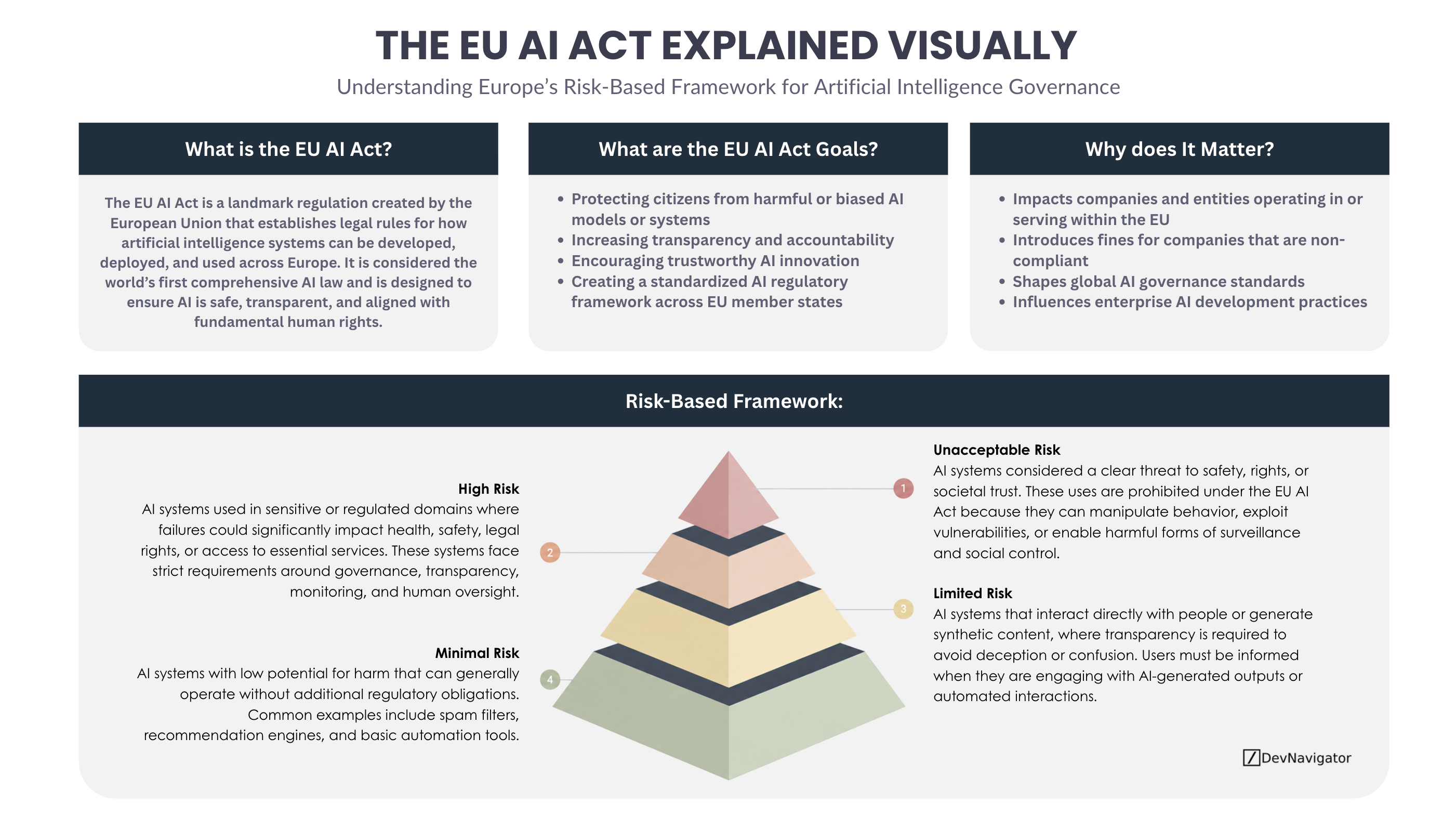
EU AI Act: 4 Important Takeaways Every AI Leader Must Know
The EU AI Act is rapidly becoming one of the most important regulatory frameworks shaping the future of artificial intelligence. Designed by the European Union, the EU AI Act introduces a risk-based approach that categorizes AI systems according to their potential impact on safety, rights, and society. While many organizations associate AI regulation with compliance burdens, the EU AI Act is also creating clearer expectations for responsible AI development, governance, and transparency.
For enterprise leaders, developers, and data science teams, understanding the EU AI Act is no longer optional. Even companies outside Europe may be affected if their AI systems are used within the EU market. This visual guide breaks down the four major risk categories and explains why the EU AI Act is influencing global AI strategy far beyond Europe itself.
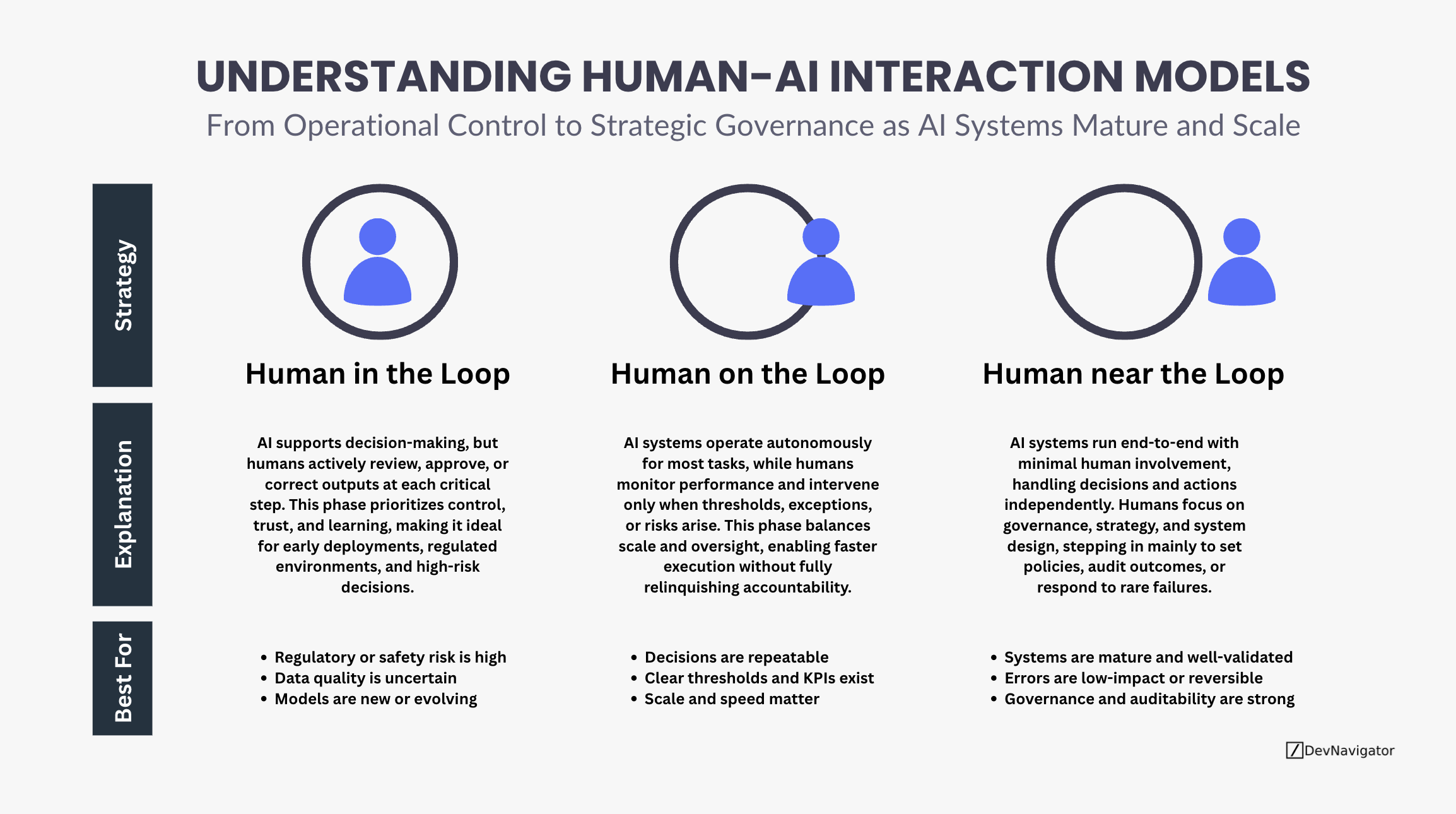
Understanding the 3 Human-AI Interaction Models and Responsible Automation
As artificial intelligence systems move from experimental tools to core operational infrastructure, the Human-AI model is undergoing a fundamental shift. Early AI deployments required constant human supervision, while modern systems increasingly operate autonomously at scale. Understanding where humans sit in the loop is no longer a technical nuance. It is a strategic decision that affects […]
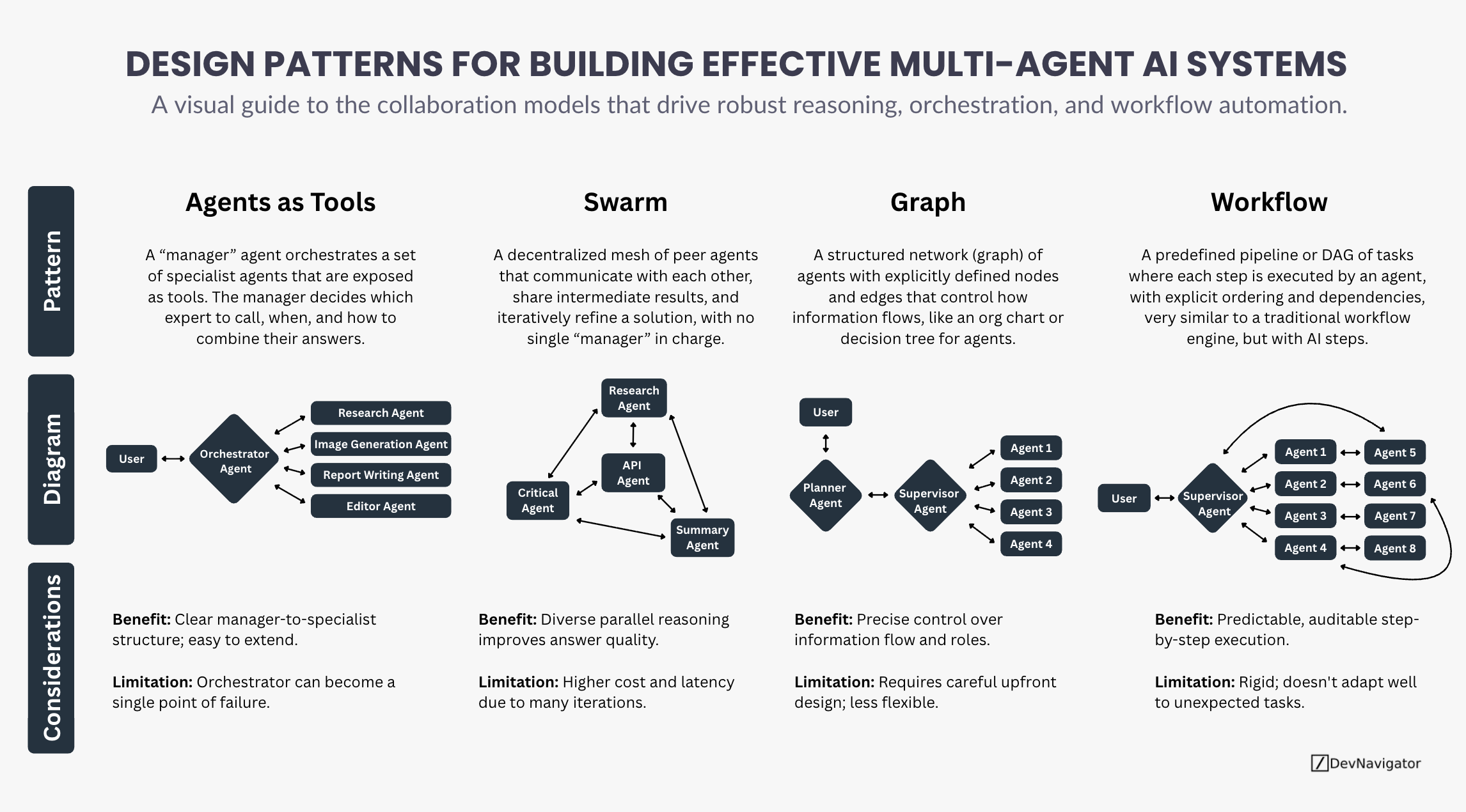
Multi-Agent AI Design Patterns: 4 Powerful Architectures That Make or Break Intelligent Systems
Multi-agent AI systems are rapidly moving from experimental prototypes into real business workflows. As organizations deploy multiple agents to reason, plan, and execute tasks autonomously, architecture becomes the deciding factor between systems that scale and those that collapse under complexity. Multi-Agent AI Design Patterns provide the structural foundation for how agents collaborate, exchange information, and deliver value. This article explores four essential patterns: Agents as Tools, Swarm, Graph, and Workflow, explaining where each excels, where it breaks down, and how advanced teams combine them to build resilient, production-grade AI systems.
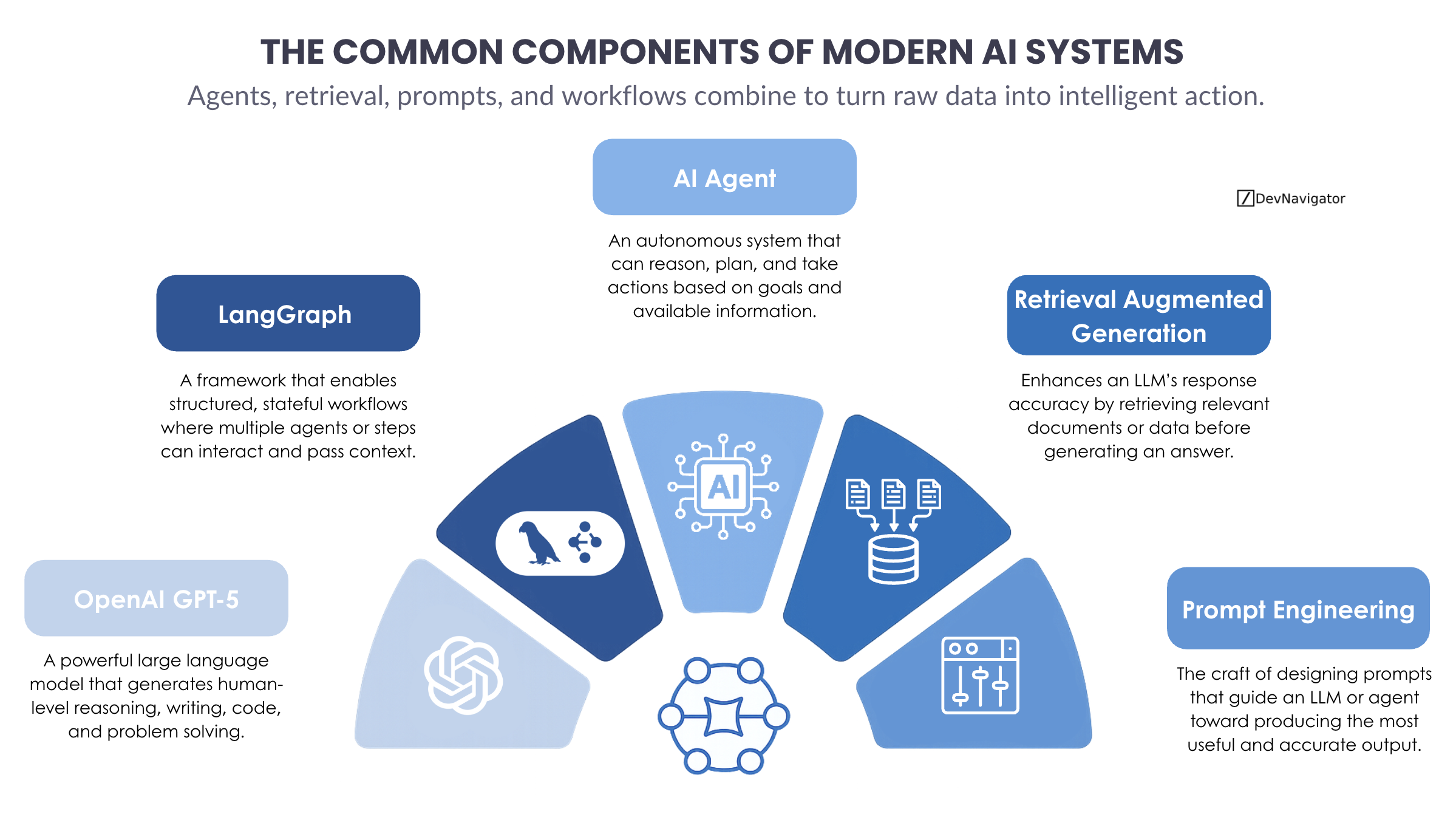
Many modern AI systems work as a coordinated stack: prompt engineering shapes the intent, retrieval supplies relevant context and data, the LLM generates reasoning and output, and frameworks like LangGraph orchestrate these components so AI agents can take action and execute tasks autonomously.

 Strategy & Governance · May 14, 2026
 AI & Data Science · Dec 14, 2025
 AI & Data Science · Dec 7, 2025
 AI & Data Science · Nov 11, 2025