Find the visual for the conversation you need to lead.
Search all 157 DevNavigator articles and infographics by keyword, category, or tag.
46 visualsPage 1 of 4
Strategy & Governance · Sep 7, 2026
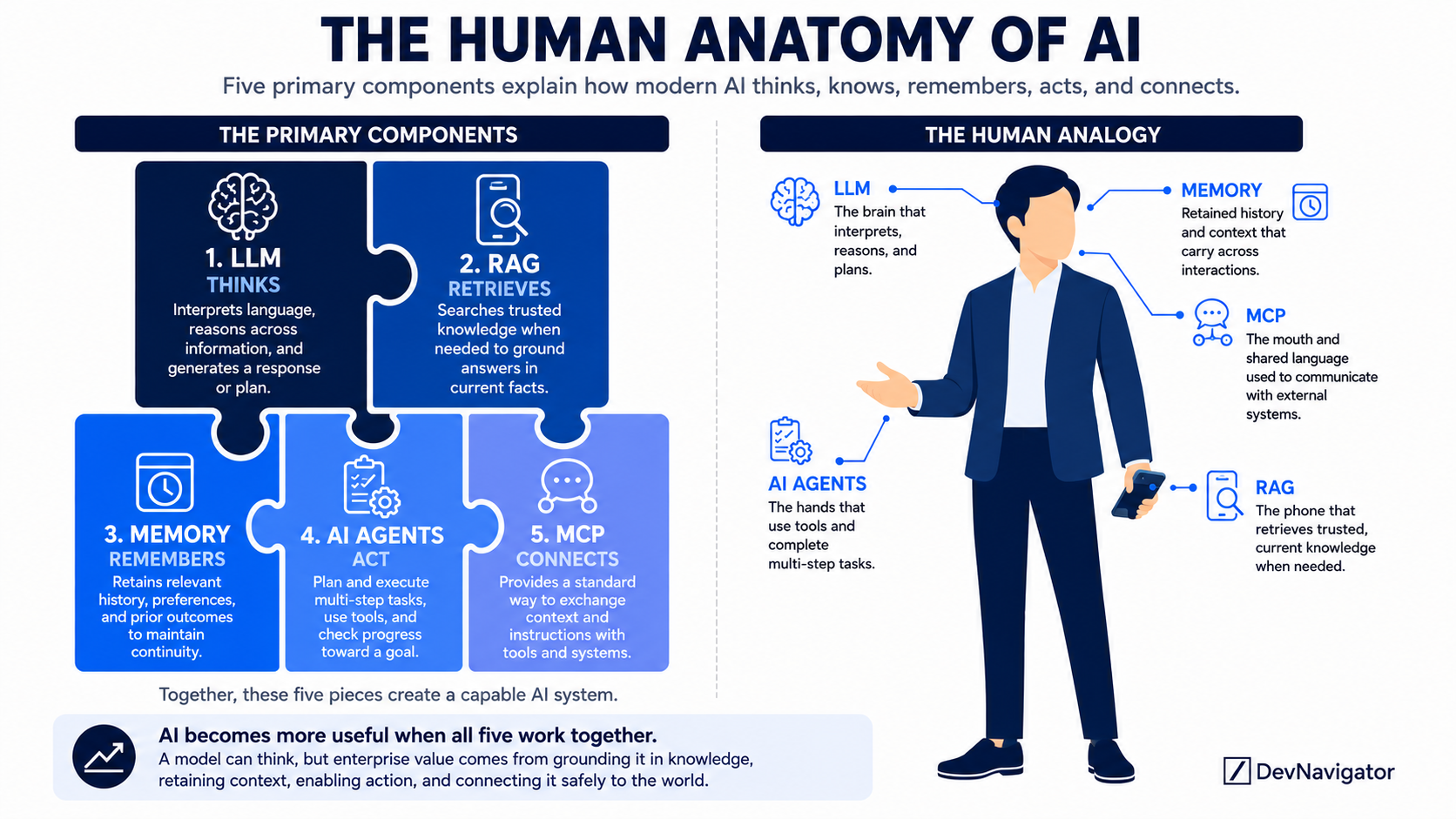
AI System Architecture: 5 Essential Building Blocks
Modern AI is often described as if the model does everything. It answers questions, searches for information, recalls prior conversations, completes tasks, and connects to other systems. But the model is only one component within a larger AI system architecture.
A more useful way to understand modern AI is to compare it to a person. The large language model acts like the brain. Retrieval-augmented generation provides access to external knowledge. Memory preserves relevant history. AI agents coordinate actions. Model Context Protocol creates a standard way to connect the system with external tools and data. Each component serves a different purpose. The real value appears when all five work together.
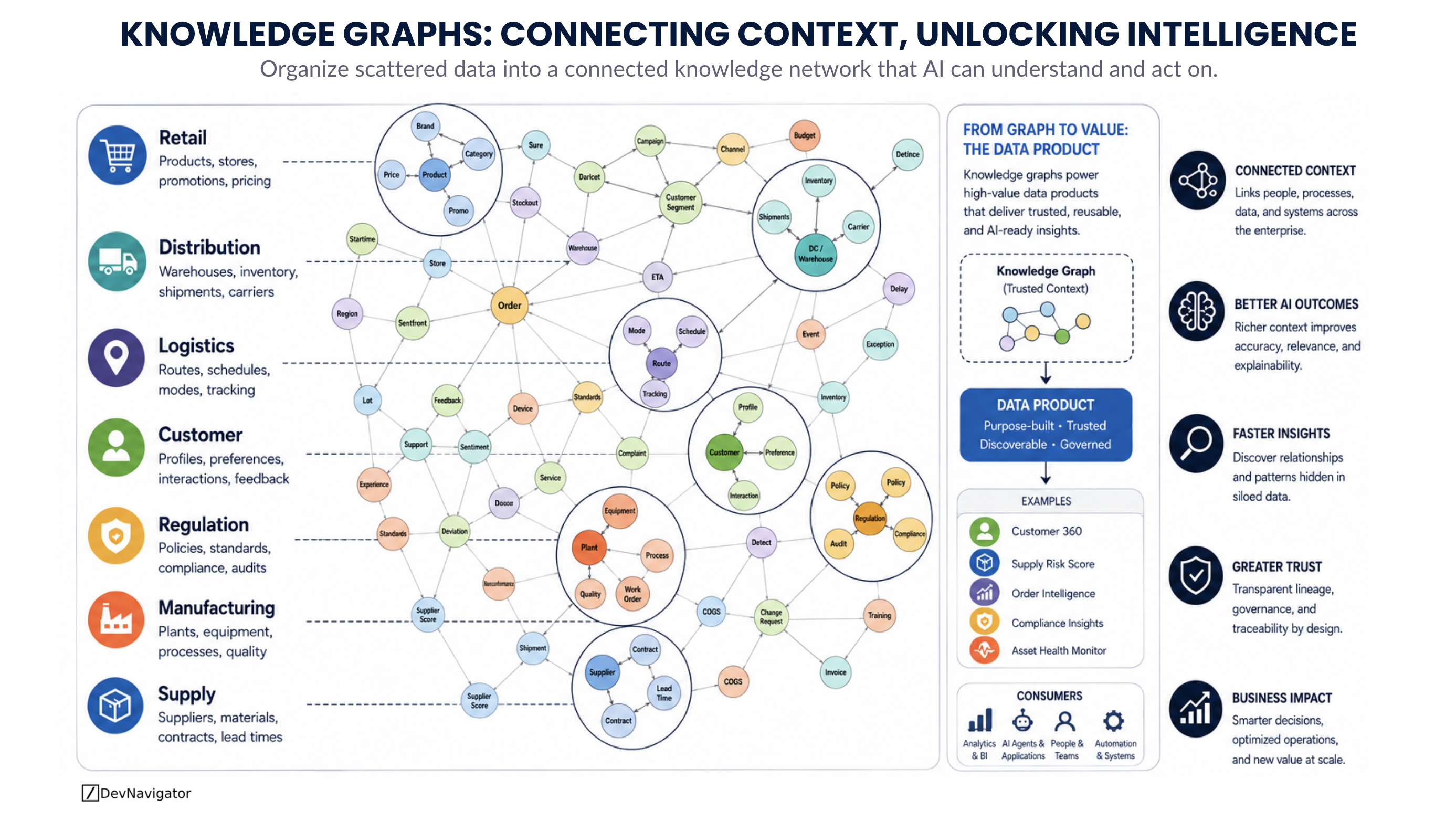
Knowledge Graphs: 5 Powerful Ways Connected Context Makes AI More Useful
Most enterprises do not have a data shortage. They have a context problem. Information about customers, suppliers, products, equipment, policies, orders, and processes exists across hundreds of systems, but the relationships between those things are often difficult to see.
Knowledge graphs provide a way to represent those relationships explicitly. When combined with well-designed data products, they can turn fragmented enterprise data into reusable, governed context for analytics, applications, automation, and AI agents.
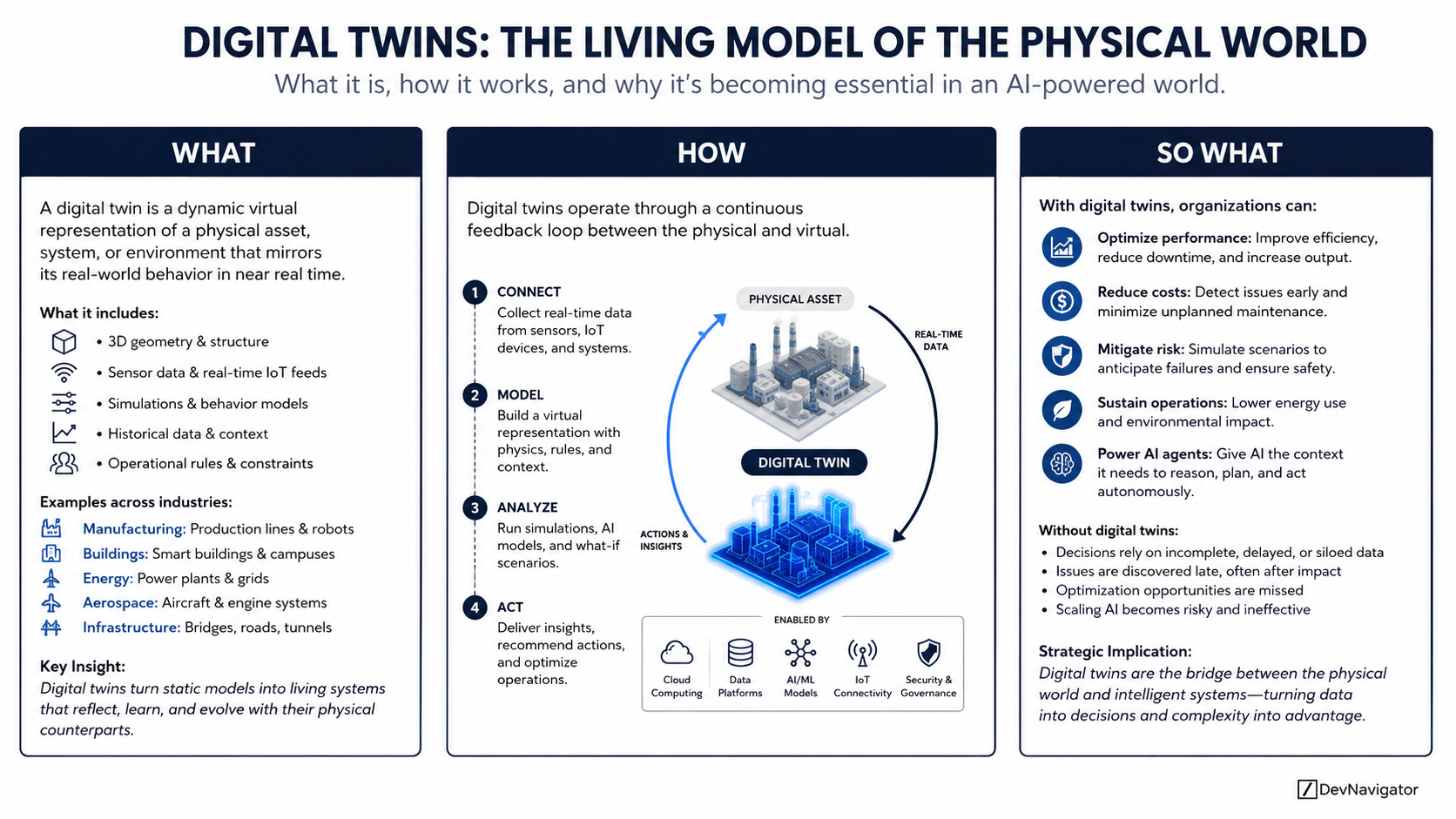
Digital Twins: 5 Powerful Ways They Connect the Physical World to AI
Digital twins create a dynamic virtual representation of a physical asset, process, system, or environment. While the concept predates generative AI, advances in sensors, cloud computing, simulation, data platforms, and AI are expanding what digital twins can do. A digital twin can represent anything from an aircraft engine to a factory, building, power grid, or data center. More importantly, it can provide AI systems with structured context about how those environments behave. As organizations explore AI agents capable of making operational decisions, digital twins could become an important bridge between artificial intelligence and the physical world.
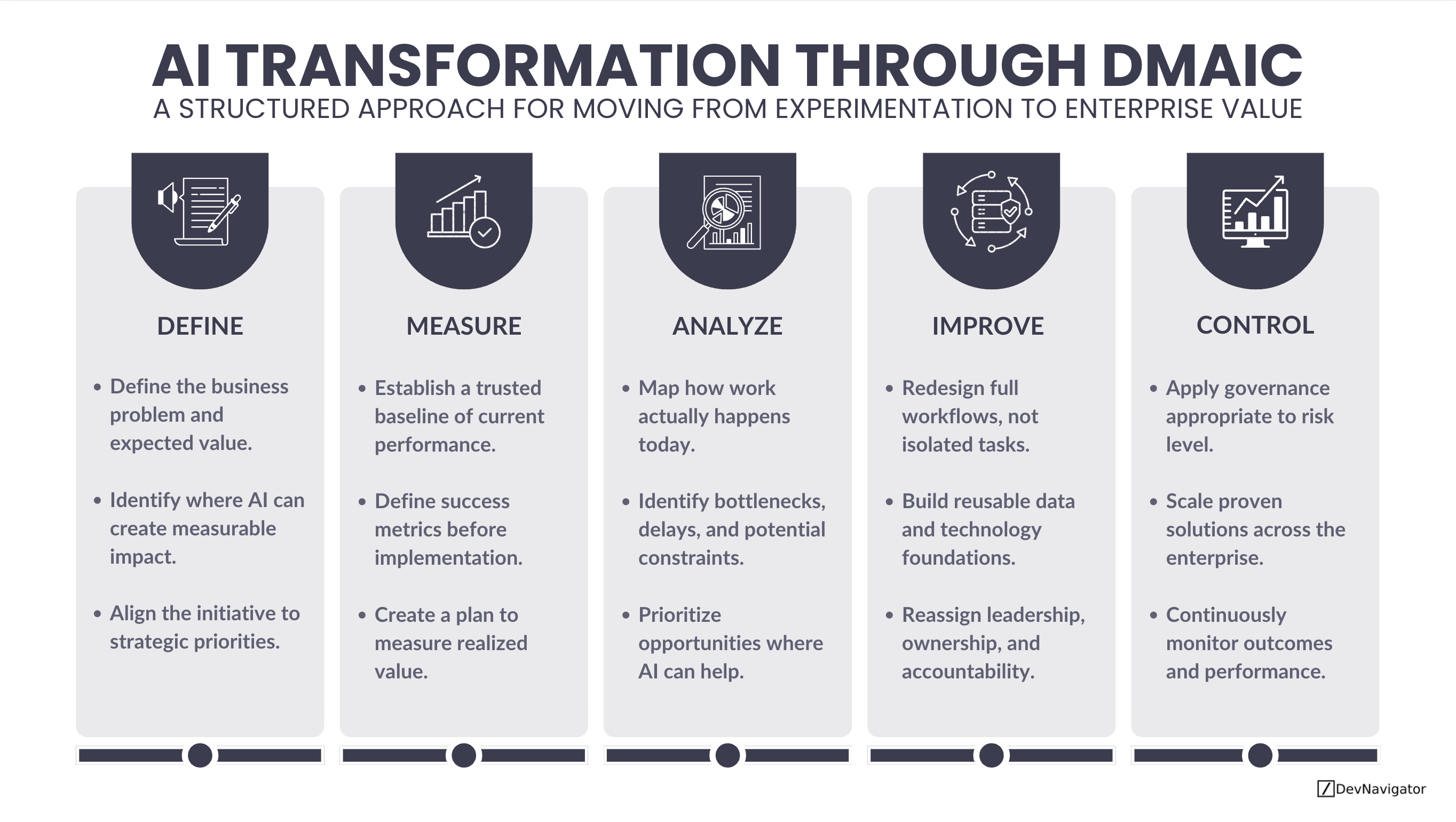
AI Transformation Through DMAIC: 5 Powerful Steps to Move Beyond AI Pilots
Many organizations have spent the last few years experimenting with artificial intelligence. Some have built chatbots. Others have deployed copilots, predictive models, or automation tools. Yet many of these efforts struggle to move beyond isolated successes.
The challenge is rarely the technology itself. The challenge is applying AI to meaningful business problems, measuring value, redesigning workflows, and creating the governance needed to scale.
AI Transformation can benefit from a framework that has already proven effective in operational excellence and process improvement: DMAIC. By applying the Define, Measure, Analyze, Improve, and Control methodology, organizations can create a structured path from experimentation to sustainable business impact.
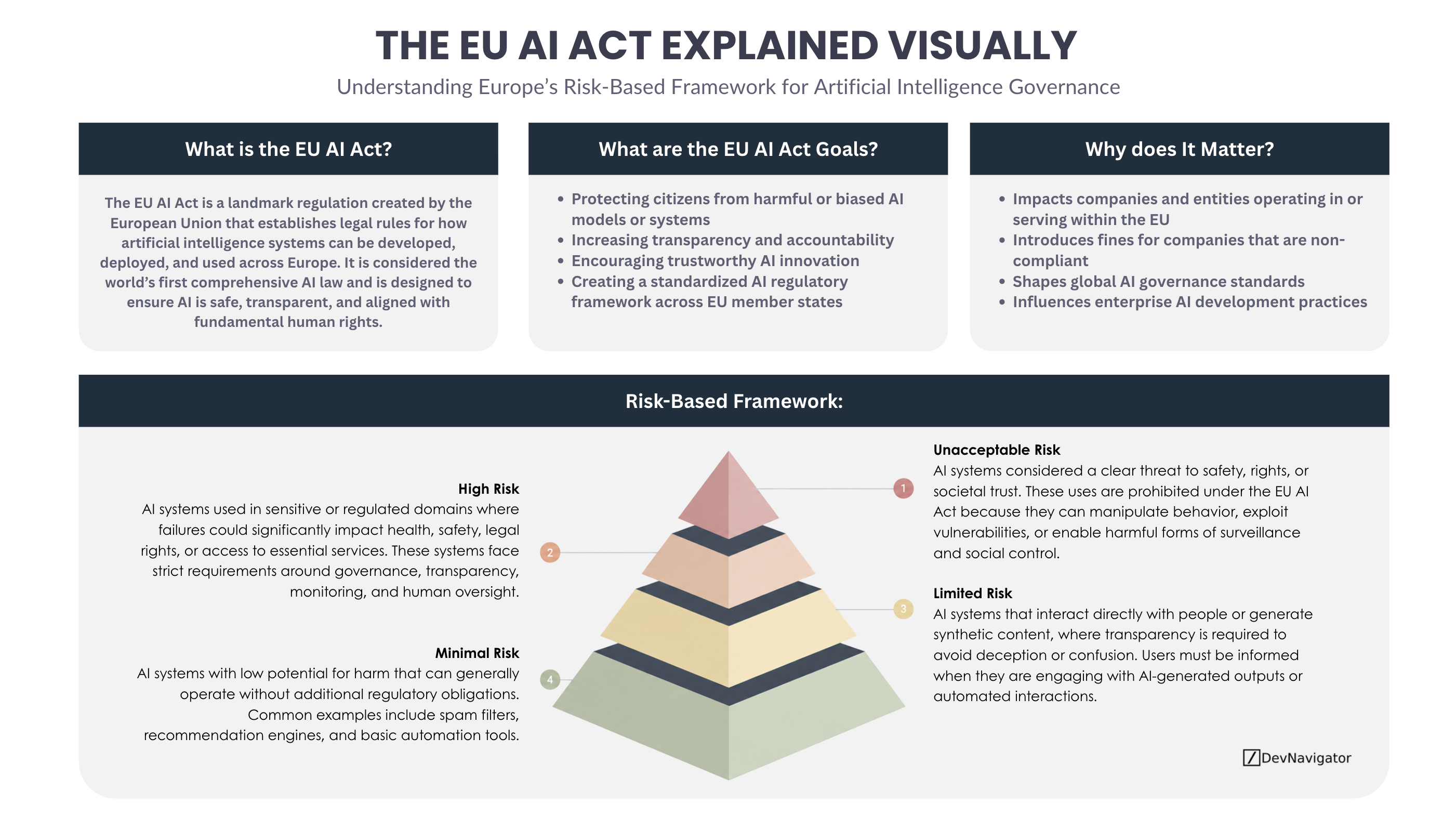
EU AI Act: 4 Important Takeaways Every AI Leader Must Know
The EU AI Act is rapidly becoming one of the most important regulatory frameworks shaping the future of artificial intelligence. Designed by the European Union, the EU AI Act introduces a risk-based approach that categorizes AI systems according to their potential impact on safety, rights, and society. While many organizations associate AI regulation with compliance burdens, the EU AI Act is also creating clearer expectations for responsible AI development, governance, and transparency.
For enterprise leaders, developers, and data science teams, understanding the EU AI Act is no longer optional. Even companies outside Europe may be affected if their AI systems are used within the EU market. This visual guide breaks down the four major risk categories and explains why the EU AI Act is influencing global AI strategy far beyond Europe itself.
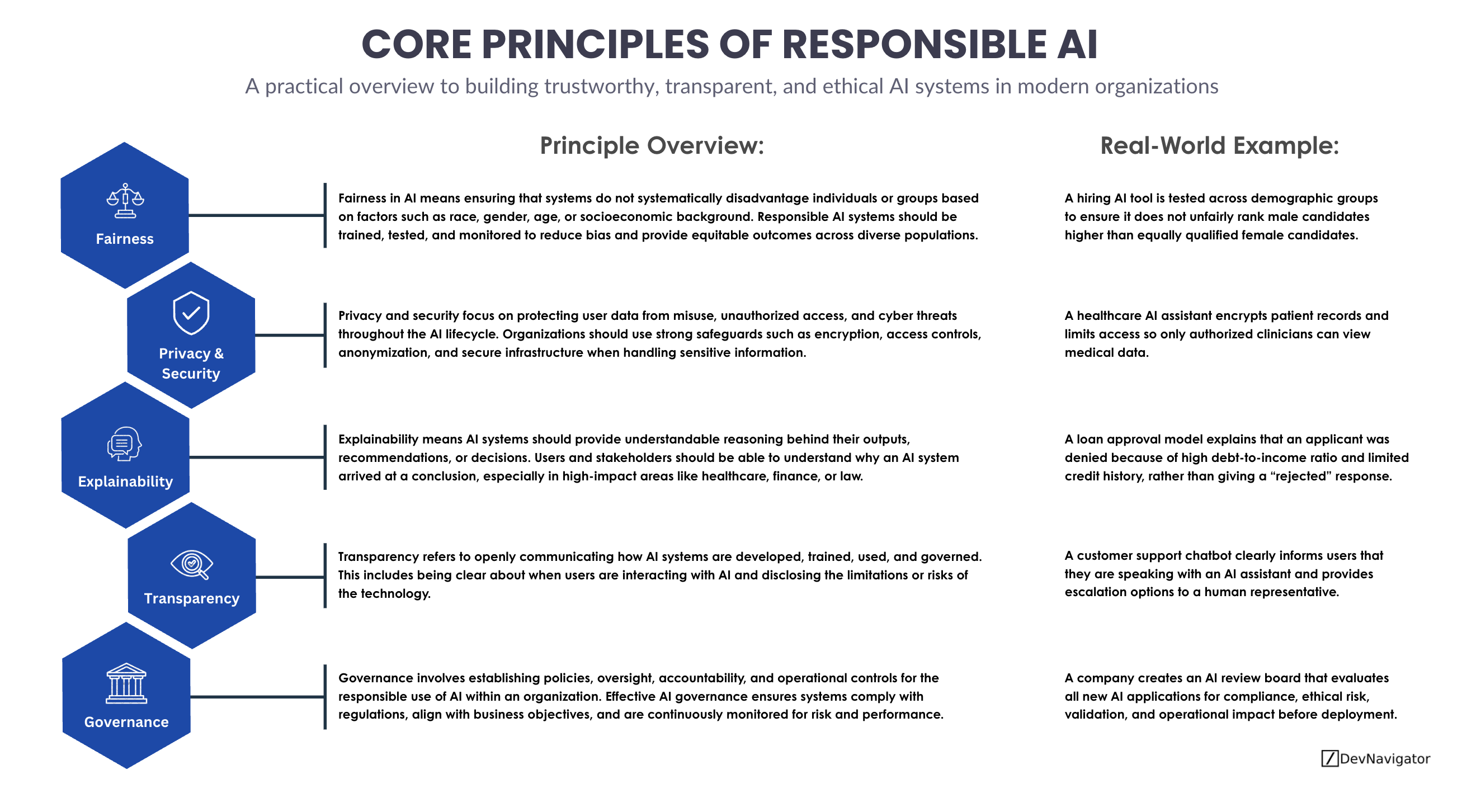
Responsible AI Principles: 5 Essential Foundations Every Leader in 2026 Must Know
Responsible AI principles are rapidly becoming a core requirement for organizations deploying artificial intelligence at scale. As AI systems move from experimentation into critical business workflows, leaders must ensure these technologies operate fairly, securely, transparently, and under strong governance. Without a clear framework, organizations risk compliance issues, reputational damage, biased decision-making, and loss of user trust.
This article explores five foundational Responsible AI principles that every organization should understand: Fairness, Privacy and Security, Explainability, Transparency, and Governance. Together, these principles summarize technical responsible AI principles to help organizations create AI systems that are not only powerful, but also trustworthy and sustainable for long-term enterprise adoption.
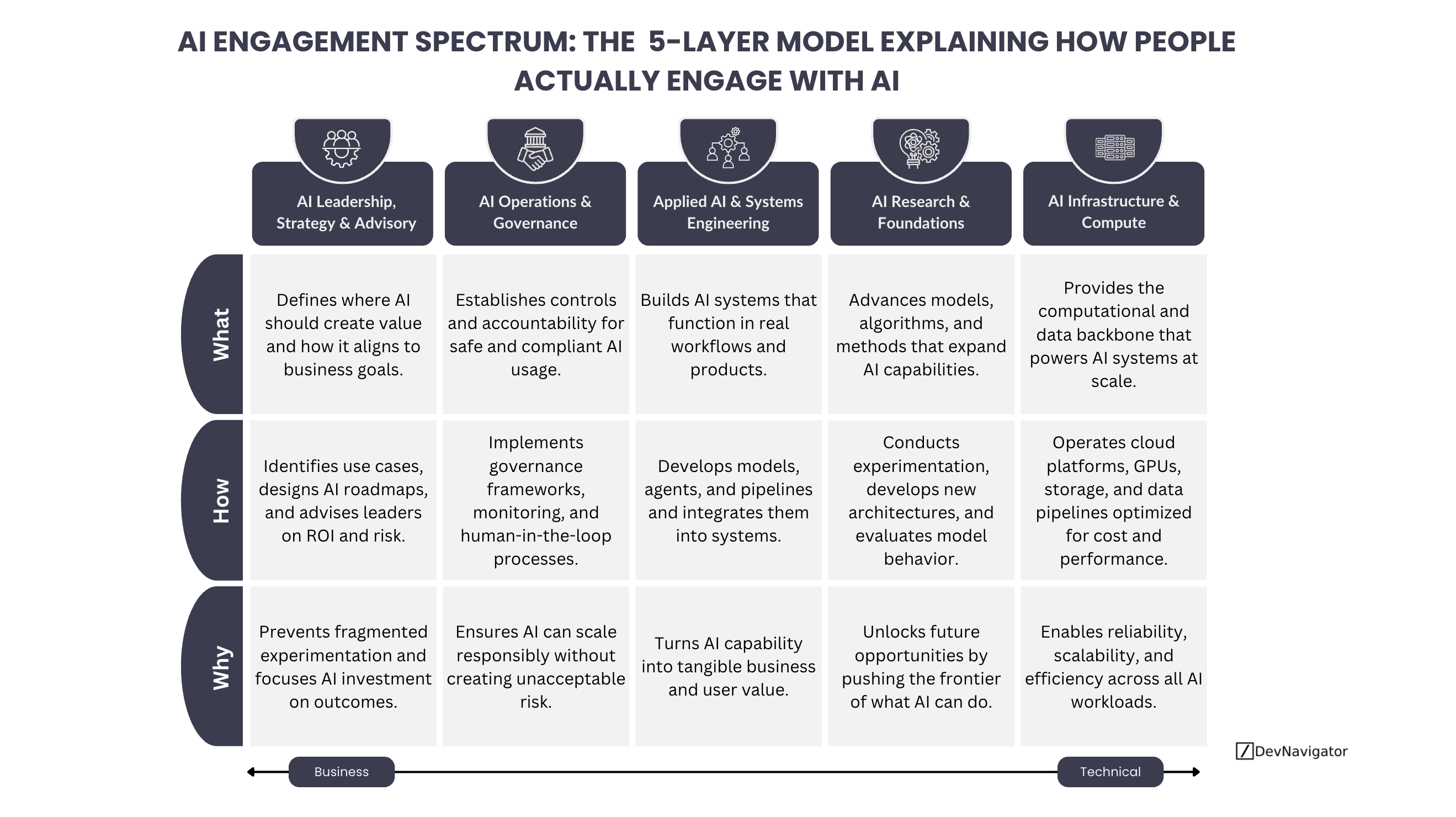
AI Engagement Spectrum: The Powerful 5-Layer Model Explaining How People Actually Engage with AI
The conversation around artificial intelligence often collapses into a narrow debate about models, tools, or talent shortages. In practice, AI succeeds or fails based on how people engage with it across the organization. The AI Engagement Spectrum provides a clear five-layer model that explains where individuals and teams participate, from business strategy through infrastructure. Rather than viewing AI as a single discipline, this framework shows how value emerges when intent, control, execution, innovation, and scale are connected. Understanding the AI Engagement Spectrum helps leaders design better operating models, helps practitioners identify where they add value, and helps organizations avoid common failure modes in AI adoption.
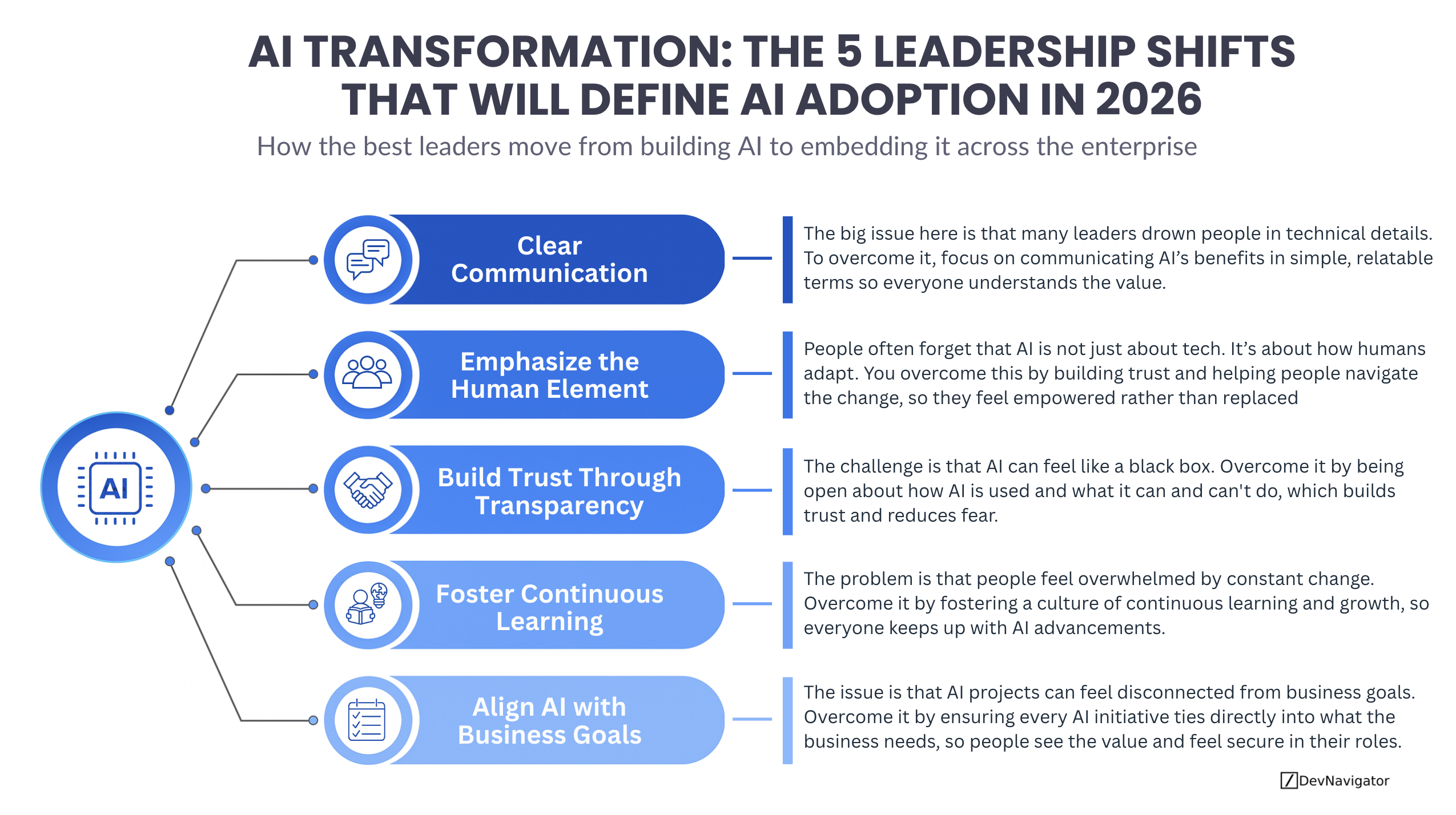
AI Transformation: The 5 Leadership Shifts That will Define AI Adoption in 2026
Most organizations spent 2025 building AI pilots, experimenting with models, and proving technical feasibility. In 2026, the real work begins. The challenge is no longer whether AI can work, but whether it can stick. This is where AI Change Management becomes the defining leadership capability. Embedding AI into daily operations, decision-making, and culture requires more than tools. It requires trust, clarity, and human-centered systems. This article outlines five leadership shifts that separate short-term experimentation from durable transformation. Together, they form a practical playbook for leaders who want AI to become an everyday advantage rather than another fleeting initiative.
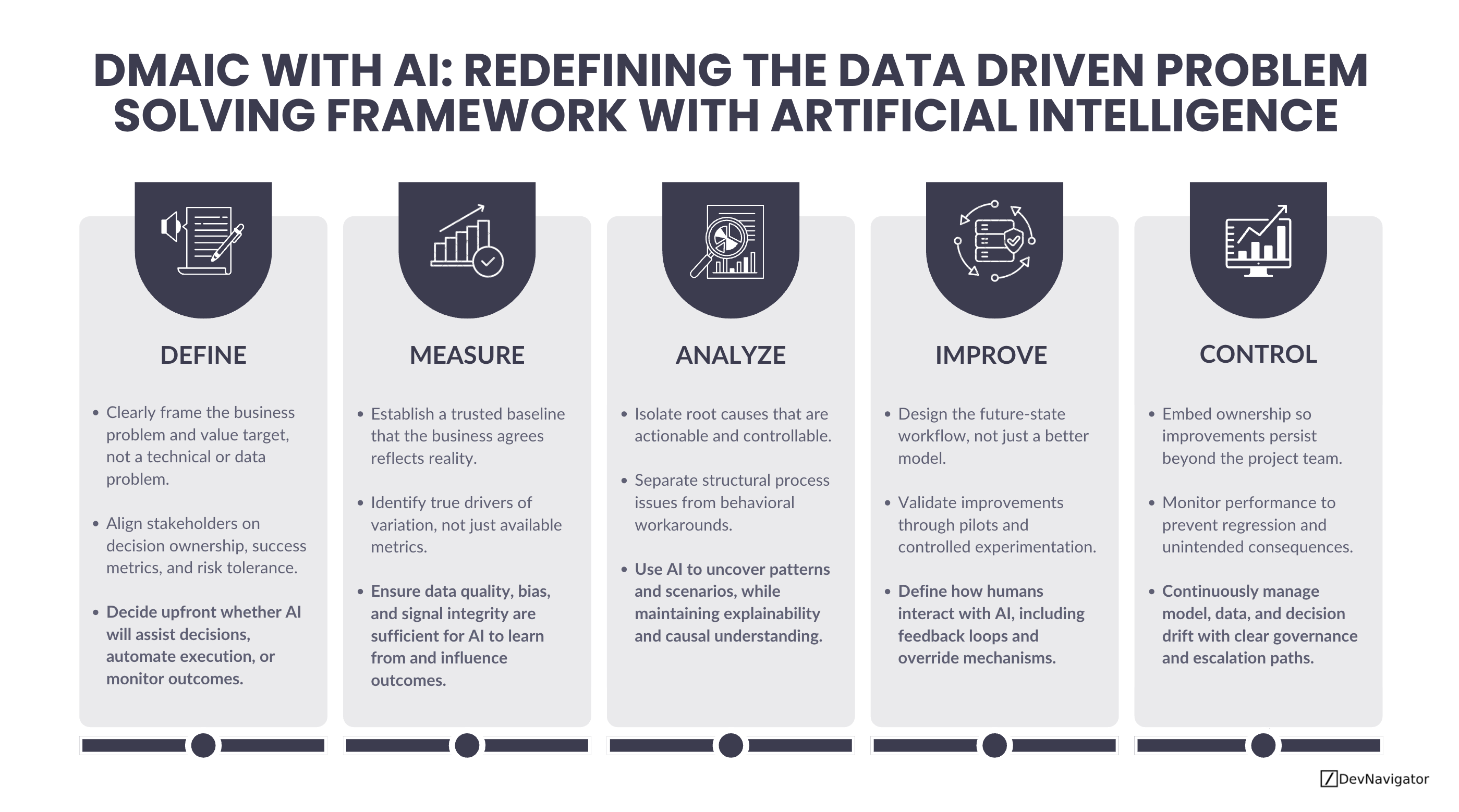
DMAIC with AI: Redefining the 5-Phase Data Driven Problem Solving Framework with Artificial Intelligence
DMAIC has long been the backbone of Lean Six Sigma and operational excellence. But as artificial intelligence becomes embedded in daily work, DMAIC with AI is evolving from a static problem-solving tool into a dynamic decision framework. Rather than replacing Lean discipline, AI strengthens it by improving how problems are defined, measured, analyzed, improved, and controlled at scale. This article explains how DMAIC with AI changes each phase of continuous improvement, why many initiatives fail when AI is introduced incorrectly, and what leaders must do to unlock sustainable value.
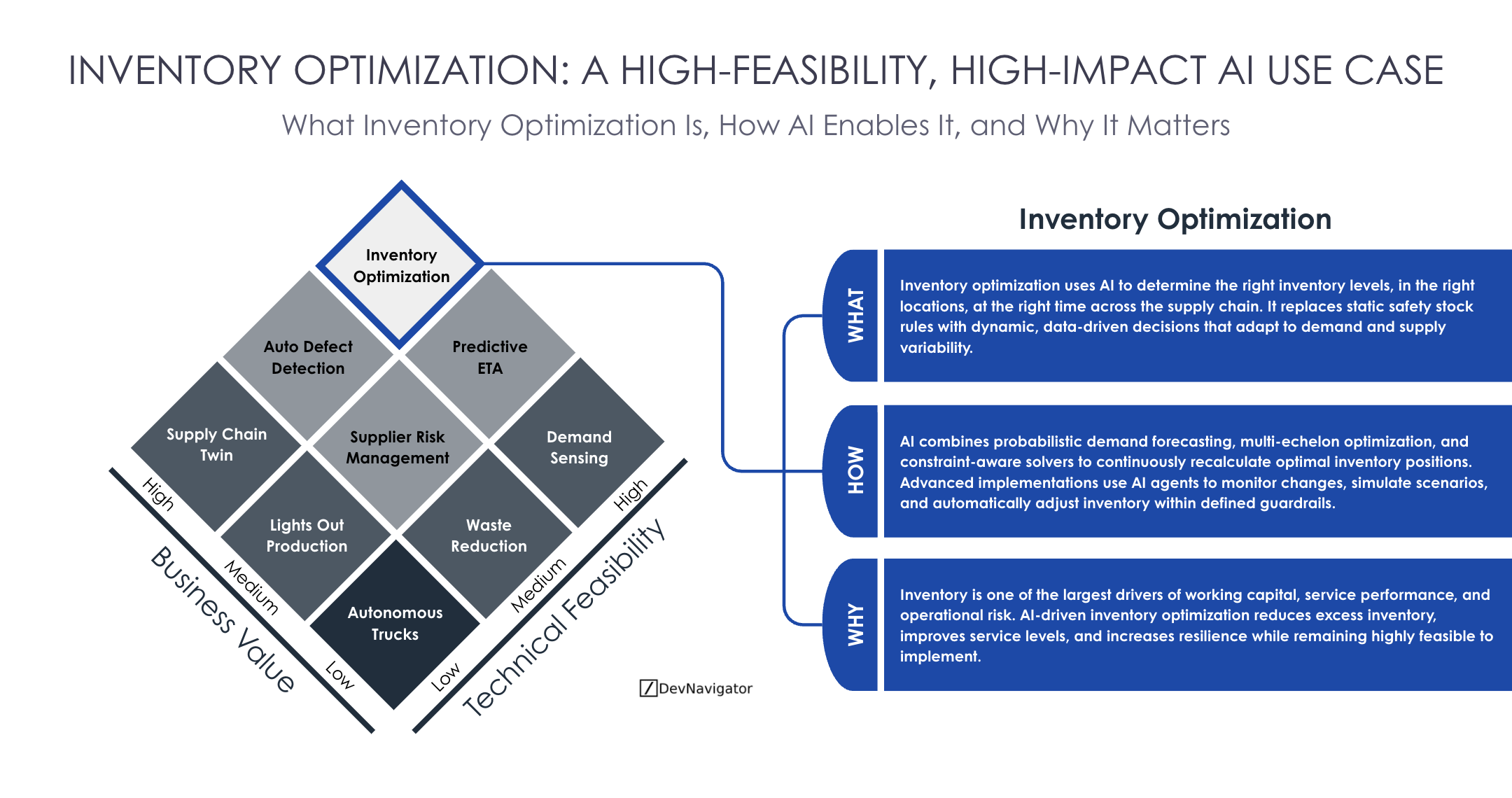
Inventory Optimization: The Powerful High-Feasibility, High-Impact AI Supply Chain Use Case
Inventory Optimization has quietly become one of the most effective ways organizations turn artificial intelligence into measurable business value. Unlike experimental AI initiatives, Inventory Optimization is grounded in mature data, proven methods, and clear operational outcomes. This article explains why Inventory Optimization consistently ranks as a high-feasibility, high-impact AI use case, how it works in practice, and why leaders increasingly prioritize it as a foundation for supply chain transformation.
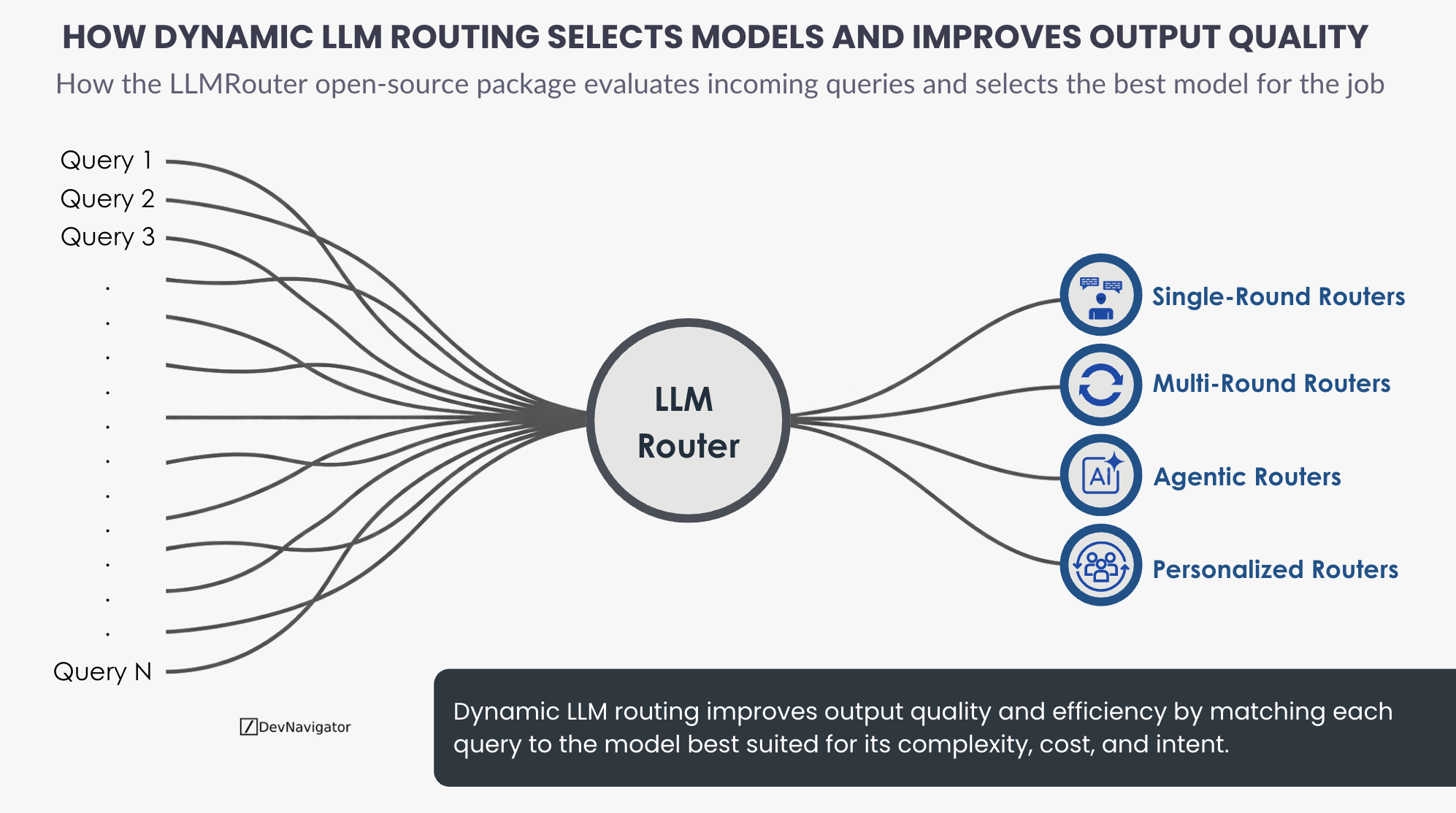
Dynamic LLM Routing: The 6 Takeaways on Improving Output Quality
Dynamic LLM routing has emerged as a critical capability for teams deploying multiple language models at scale. Rather than relying on a single model for every task, dynamic LLM routing evaluates each incoming query/prompt and selects the model best suited to handle it. This approach improves output quality, controls cost, and enables more reliable AI systems. Using the open-source LLMRouter package as a reference point, this article explains how dynamic LLM routing works, why it matters, and how different routing strategies contribute to better results across real-world applications.
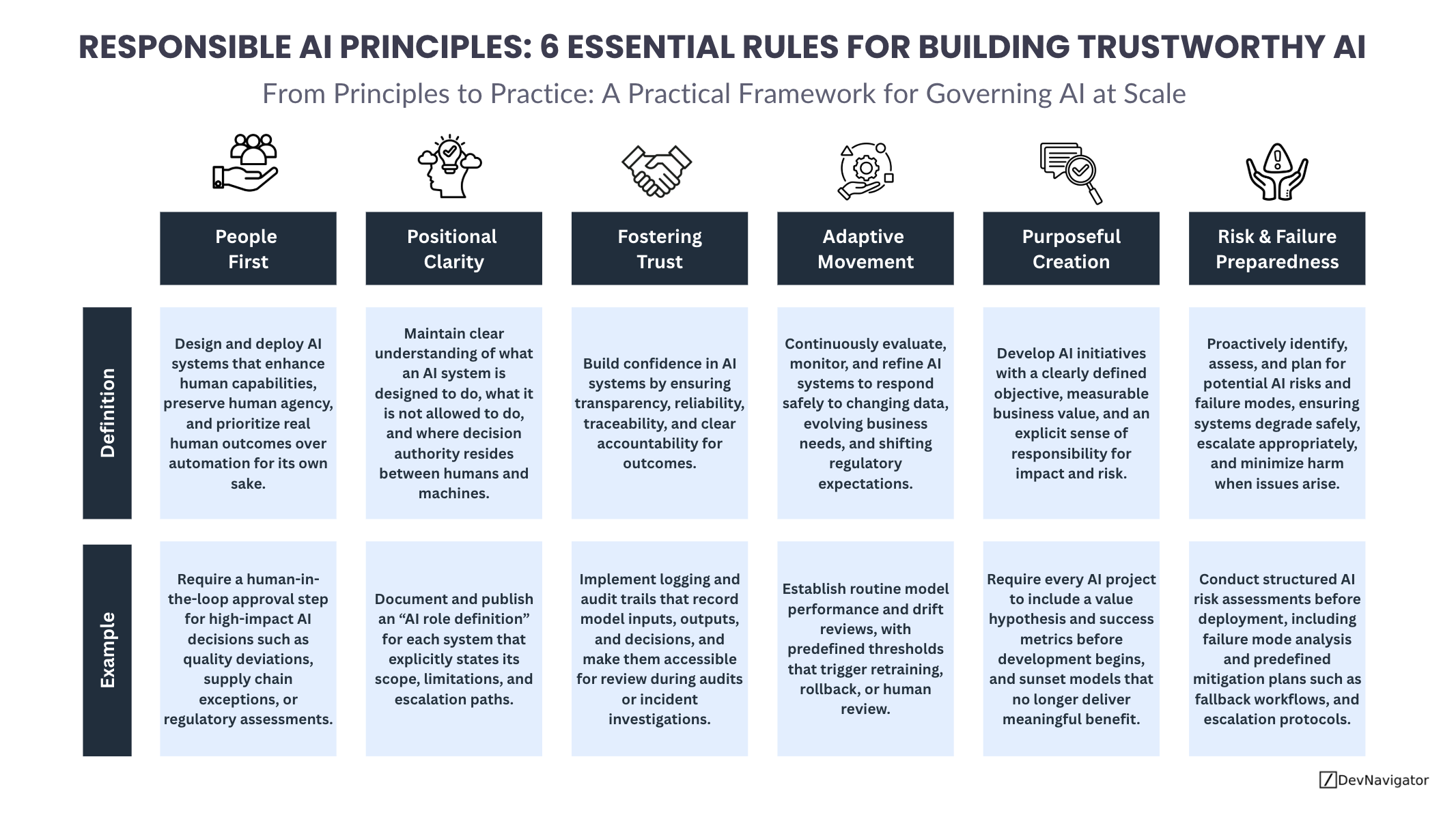
Responsible AI Principles: 6 Essential Rules for Building Trustworthy AI
Responsible AI Principles are no longer abstract ideals reserved for policy documents or ethics boards. As artificial intelligence becomes embedded in everyday business decisions, these principles must translate into concrete actions that shape how systems are designed, deployed, monitored, and governed. This article outlines six Responsible AI Principles that help organizations move from intention to execution, balancing innovation with accountability, trust, and resilience. Together, they provide a practical framework for building AI systems that deliver value while managing risk in real operational environments.

 Strategy & Governance · Sep 7, 2026
 AI & Data Science · Aug 29, 2026
 AI & Data Science · Aug 27, 2026
 Strategy & Governance · Jun 29, 2026
 Strategy & Governance · May 14, 2026
 Strategy & Governance · May 12, 2026
 Strategy & Governance · Jan 25, 2026
 Strategy & Governance · Jan 16, 2026
 Business Performance & KPIs · Jan 14, 2026
 Business Applications · Jan 11, 2026
 AI & Data Science · Dec 31, 2025
 Strategy & Governance · Dec 30, 2025